A New Furnace Sized for Your Space
Furnace Installation in Elliottsburg for homes where the existing system no longer heats reliably or has exceeded practical repair
Replacing a furnace is a sizing and compatibility decision as much as it is an equipment purchase, and getting those two things right determines whether the new system actually performs as expected. NordicAir handles residential furnace installation in Elliottsburg, working through load calculations, duct compatibility, and venting requirements before a unit is ever selected. Homes in the region vary significantly in construction—from older farmhouses with expansive floor plans and minimal envelope insulation to tighter ranch-style homes built in later decades—and a furnace that fits one layout poorly will short-cycle or overwork itself regardless of its rated output.
The installation process begins with evaluating the existing duct system and venting configuration, because both of those determine which furnace categories are compatible with the structure. A high-efficiency condensing furnace, for instance, requires a separate PVC flue and a condensate drain, and retrofitting those into a home originally set up for a natural-draft unit involves additional work that affects the overall project scope. NordicAir works through these compatibility questions before the equipment order is placed, so the installation sequence is planned rather than improvised on site.
Request a home evaluation from NordicAir to determine which furnace options are compatible with your existing duct layout and venting setup.
What Proper Furnace Installation Requires
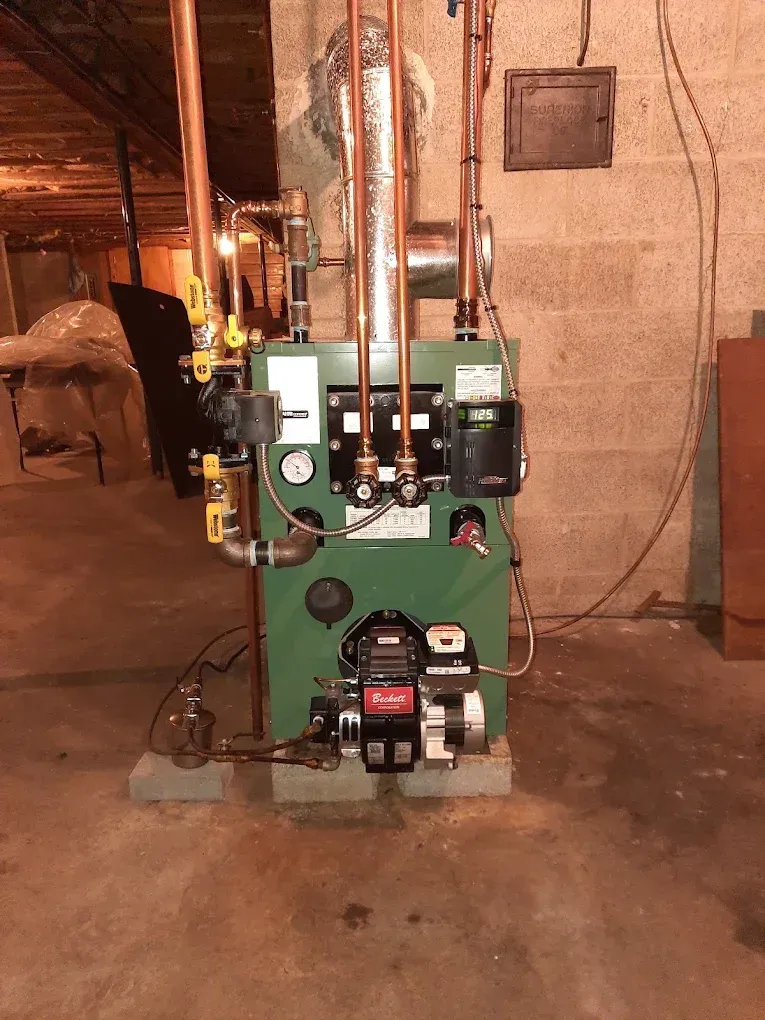
Furnace installation involves more than setting a new cabinet in place of an old one. The gas line connection must be sized for the new unit's BTU input, the flue must be matched to the combustion category of the equipment, and the air handler section must be positioned to maintain proper static pressure across the duct system. Each of these factors is governed by manufacturer specifications and local mechanical code, and a deviation from any of them can trigger nuisance lockouts, reduce efficiency, or—in the case of improper venting—create a safety concern.
After a correctly installed furnace runs its first full heating cycle, you should notice even heat distribution across the home, a blower that ramps up and down smoothly, and heating cycles that end with the space reaching set-point rather than hunting short of it. A furnace that was previously oversized for the home would have short-cycled and left some rooms noticeably cooler than others; properly matched equipment eliminates that pattern. NordicAir verifies airflow, temperature rise, and combustion readings before the job is considered complete.
The choice between single-stage, two-stage, and variable-capacity furnaces also affects both comfort consistency and long-term operating costs. Two-stage and variable units run longer at lower output on moderate days, which produces more even temperatures than a single-stage unit cycling on and off at full capacity. NordicAir can walk through the practical difference between those options in the context of your home's layout and insulation level.
What Property Owners Ask About the Work
Furnace installation decisions involve a number of equipment and process questions that go beyond model selection. The following covers the specifics of how the work is done.
How is the right furnace size determined for a home?
A Manual J load calculation considers the home's square footage, ceiling heights, window area, insulation values, and duct layout to establish the actual BTU requirement—furnace selection based on the old unit's size alone frequently results in incorrect sizing.
What happens to the existing ductwork during installation?
The duct connections at the furnace are inspected and resealed, and the supply and return plenums are adjusted or replaced as needed to match the airflow requirements of the new unit's blower.
Why does venting category matter when selecting a new furnace?
Furnaces fall into combustion categories that determine flue material, diameter, and routing—a Category IV high-efficiency unit must use PVC, not the metal flue used by a Category I mid-efficiency unit, so upgrading efficiency level often means replumbing the flue entirely.
How do the homes found in older Elliottsburg neighborhoods affect installation planning?
Many structures in the area were built when natural-draft furnaces were standard, and their existing B-vent flues cannot be reused for high-efficiency equipment, meaning the venting plan is a core part of the installation scope rather than an afterthought.
What should you do to prepare the space before installation day?
Clear a path from the entry point to the mechanical room, ensure the thermostat is accessible, and note where the gas shutoff is located so the technician can work without delay once on site.
NordicAir also installs furnaces in Harrisburg and surrounding communities. To move forward with a furnace installation, connect with NordicAir to schedule a site evaluation and discuss which equipment fits your home's specific mechanical configuration.