
Air Inside That Feels Fresh and Breathable
Indoor Air Quality in Elliottsburg for homes where air feels stale or dust settles quickly
Homes with poor air circulation or inadequate filtration often feel stuffy even when the HVAC system runs regularly. Indoor air quality addresses airborne particles, humidity balance, and ventilation as part of whole-home comfort alongside temperature control. NordicAir works with homeowners in South Central Pennsylvania to improve how air feels and moves through living spaces without making medical claims about health outcomes.
Common concerns include visible dust on surfaces shortly after cleaning, air that smells musty or stagnant, or rooms where humidity feels noticeably high or low. Solutions range from upgraded filtration and humidity control to ventilation improvements that bring fresh outdoor air into the home in a controlled way.
Request an air quality assessment to identify which factors are affecting comfort in your home.
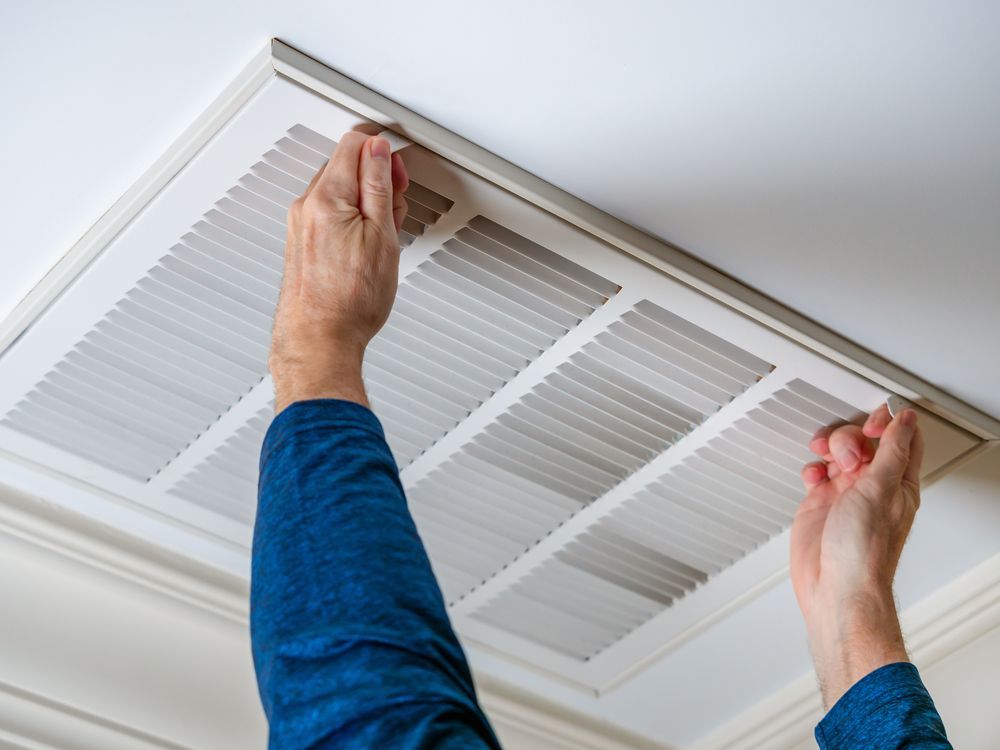
How Filtration and Humidity Shape Indoor Conditions
Standard HVAC filters catch large particles but allow finer dust and airborne material to recirculate. Higher-efficiency filters, electronic air cleaners, or media filtration systems capture smaller particles, which means less dust settles on furniture and floors. Humidity control through whole-home humidifiers or dehumidifiers keeps indoor air from feeling too dry in winter or too damp in summer.
Once air quality improvements are in place, you'll notice that surfaces stay cleaner longer, rooms don't feel as stuffy when doors are closed, and indoor air doesn't carry the stale smell that often develops in tightly sealed homes. Proper humidity levels also mean wood floors and trim don't shrink or swell as dramatically with seasonal changes.
These systems work alongside your existing HVAC equipment and can be integrated into ductwork or installed as standalone units depending on your home's layout. The approach depends on whether the primary concern is particle removal, moisture balance, or fresh air exchange.
Common Questions About Indoor Air
Homeowners often have specific questions about how air quality solutions work and what changes they'll notice in day-to-day living.
What causes indoor air to feel stale even when the HVAC runs?
Modern homes are built tightly to conserve energy, which means less outdoor air naturally enters the home, allowing odors, humidity, and airborne particles to accumulate without fresh air dilution.
How does filtration differ from standard HVAC filters?
Standard filters primarily protect equipment from large debris, while air quality filtration targets smaller particles using denser media or electrostatic charging to trap dust, pollen, and other fine material that passes through basic filters.
Why does humidity matter beyond just comfort?
In Elliottsburg's seasonal climate, indoor humidity below thirty percent in winter causes static electricity and dried-out wood, while levels above sixty percent in summer encourage mold growth and make cooling feel less effective.
What's involved in installing a whole-home air quality system?
Installation typically requires integrating equipment into return ducts or installing a bypass loop, running electrical connections, and in the case of humidifiers, adding a water supply line to the unit.
When should air quality improvements be considered?
Homes with persistent dust, noticeable odors that don't dissipate, condensation on windows in winter, or rooms that feel stuffy despite adequate heating and cooling are good candidates for upgraded filtration or humidity control.
NordicAir evaluates current filtration, humidity levels, and ventilation to recommend solutions that address the specific conditions affecting your indoor environment. Schedule a consultation to review air quality concerns and available equipment options.