Deciding When Replacement Outweighs Continued Repair
Heating Replacement in Elliottsburg for homes with aging furnaces, rising repair costs, or equipment that no longer maintains consistent heat
When heating equipment requires its third repair in two years, operates inefficiently enough to substantially increase fuel costs, or fails repeatedly despite component replacements, homeowners face the decision of whether continued repair remains practical. NordicAir replaces residential heating systems in Elliottsburg for property owners whose equipment has reached the stage where reliability and operating cost make replacement the more sensible long-term investment. Equipment typically operates for fifteen to twenty years before accumulated wear affects multiple systems simultaneously, turning each heating season into a cycle of breakdowns and emergency service calls.
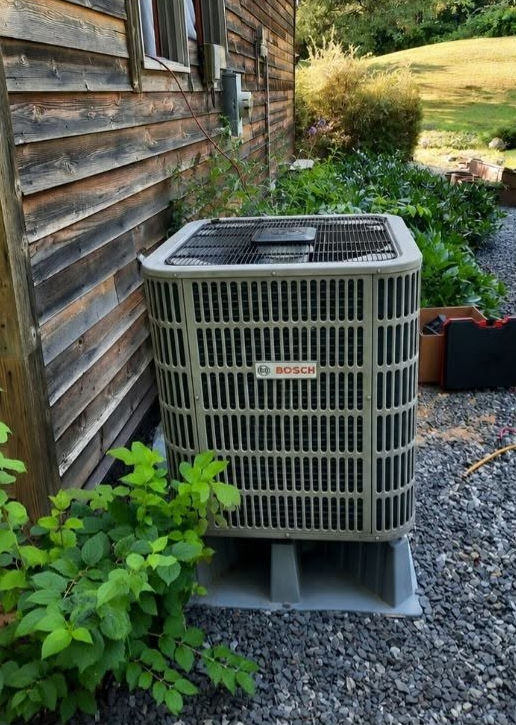
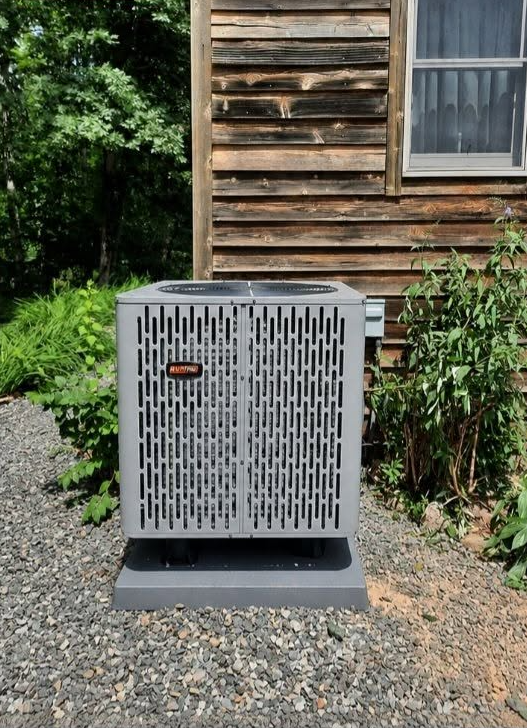
Replacement involves removing the existing furnace or heat pump, installing new equipment matched to current heating demands, and connecting the system to existing ductwork, electrical service, and fuel lines. The process differs from repair because it addresses the underlying reality that aging equipment develops cascading failures—when the heat exchanger cracks, blower motor bearings wear out, and control boards fail in succession, replacing individual parts no longer provides dependable operation.
Arrange an equipment evaluation to compare repair costs against replacement options for your current heating system.
Why Equipment Age Changes the Repair-Versus-Replace Calculation
Heating systems manufactured fifteen years ago operate at lower efficiency ratings than current models, meaning they consume more fuel to produce the same heating output. When evaluating replacement, technicians calculate whether the monthly savings from improved efficiency offset the equipment investment over a realistic timeframe, typically five to seven years.
After replacement, your home reaches set temperatures without the delays and cold spots that indicate failing equipment, monthly heating costs decrease measurably compared to the inefficient operation of worn systems, and you eliminate the pattern of mid-winter breakdowns that leave your home without heat during South Central Pennsylvania's coldest weeks. New equipment includes warranty coverage that protects against component failures during the initial operating years, unlike aging systems where each repair carries full out-of-pocket cost.
Replacement timing matters because scheduling installation during moderate weather allows proper equipment commissioning without the urgency of a complete heating failure in January. Waiting until equipment fails entirely often means making replacement decisions under time pressure with limited equipment availability during peak heating season.
Answers to Replacement Questions
Homeowners considering replacement typically want to understand when repair stops making financial sense, what efficiency improvements current equipment offers, and how replacement affects monthly operating costs.
How do I know when my heating system should be replaced rather than repaired?
If your equipment is fifteen years old or older, requires frequent repairs totaling more than half the replacement cost, or operates with annual fuel costs significantly higher than comparable newer systems, replacement typically provides better long-term value than continued repair investment.
What efficiency improvements do current heating systems offer compared to older equipment?
Modern furnaces operate at ninety to ninety-seven percent annual fuel utilization efficiency compared to seventy to eighty percent for systems manufactured fifteen to twenty years ago, meaning substantially more of each fuel dollar produces usable heat rather than being lost through exhaust.
Can new heating equipment work with my existing ductwork and thermostat?
Most replacement installations integrate with existing duct systems assuming proper sizing and condition, though older thermostats may require upgrading to communicate with modern equipment controls that manage variable-speed blowers and modulating burners.
What warning signs indicate my heating system is approaching failure?
Frequent cycling on and off, yellow burner flames instead of steady blue, rust or corrosion around the cabinet, condensation forming on interior surfaces near the furnace, and rooms that never reach comfortable temperatures despite continuous operation all suggest equipment nearing the end of functional life.
How long does heating replacement typically take from start to finish?
Complete replacement installations typically require one full day for straightforward furnace swaps in accessible locations, with additional time needed if modifications to venting, electrical service, or fuel lines become necessary during the installation process.
NordicAir evaluates your current equipment condition, calculates repair-versus-replacement costs based on realistic projections, and provides transparent recommendations about which option makes practical sense for your situation. Reach out at (717) 348-2203 to schedule a replacement consultation that addresses your specific heating concerns.