Debris Removal from Accessible Duct Sections
Ductwork Cleaning in Elliottsburg for removing accumulated debris and buildup from applicable parts of duct systems
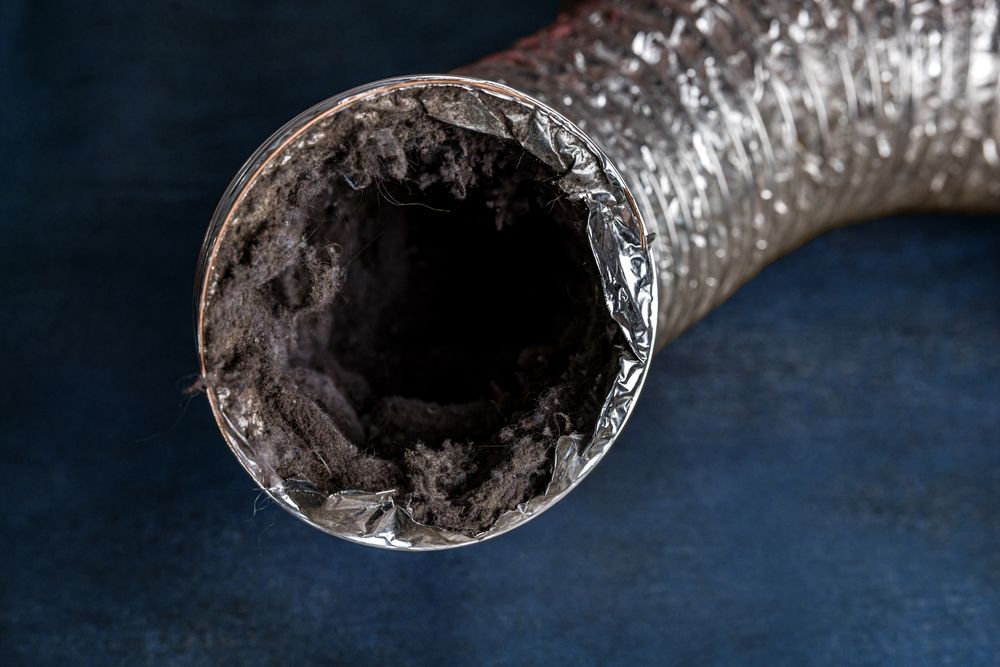
Dust, construction debris, pet hair, and other material accumulates inside ductwork over time, particularly in return air grilles and the main trunk lines near your furnace or air handler where airflow velocities are lowest. Ductwork cleaning addresses this accumulation by removing accessible debris from duct sections, though the service focuses on visible material buildup rather than promising health improvements or efficiency gains that depend on many factors beyond duct cleanliness. NordicAir provides ductwork cleaning in Elliottsburg and South Central Pennsylvania when inspection reveals substantial debris accumulation, after construction or remodeling projects that introduced dust into the duct system, or when visual evidence shows material blocking registers or return grilles.
The cleaning process uses negative pressure equipment and mechanical agitation tools to dislodge and capture debris from accessible duct sections, starting with sealing supply registers and connecting a vacuum collection system that prevents material from spreading through your home during the work. The extent of cleaning depends on duct system accessibility, the type of ductwork installed, and what portions of the system can be reached without invasive access cuts.
Schedule a duct system inspection to determine whether cleaning is appropriate for your situation and what the service would involve given your home's specific duct configuration.
What Duct Cleaning Actually Accomplishes
Duct cleaning involves sealing all supply registers to prevent debris from entering living spaces, creating negative pressure in the duct system using a powerful vacuum unit connected at the air handler, and using rotating brushes or compressed air nozzles to dislodge material from duct walls so it can be captured by the vacuum system. The process addresses accessible duct sections where equipment can reach without cutting into walls or ceilings, which typically includes main trunk lines, larger branch ducts, and areas near the HVAC equipment where access panels exist.
Once cleaning is completed, you'll see that accumulated dust and debris no longer appears at register openings, visible material buildup in return grilles has been removed, and the interior surfaces of accessible duct sections show clean metal or duct board rather than coating layers. What you may not notice immediately is any dramatic change in air quality or HVAC efficiency, because those factors depend on filter maintenance, building envelope characteristics, and overall system condition as much as duct cleanliness.
Ductwork cleaning does not address issues beyond debris removal—it will not seal disconnected joints, repair damaged duct sections, or fix undersized ducts that restrict airflow. Some situations that appear to call for duct cleaning actually require duct repair to stop dirt infiltration at leaking connections, while others need better filtration at the air handler to prevent debris from circulating in the first place.
Common Questions About This Service
Duct cleaning decisions often involve understanding what the service actually does, when it provides value, and what it cannot accomplish.
What situations justify ductwork cleaning rather than just changing filters regularly?
Cleaning makes sense after major remodeling projects that introduced drywall dust or construction debris into ducts, when visual inspection shows substantial accumulation blocking airflow at registers, or when you've purchased a home with evidence of neglected maintenance and visible debris buildup, though routine filter changes prevent most accumulation in well-maintained systems.
How is debris actually removed from ductwork during cleaning?
Cleaning involves connecting a high-powered vacuum system to the main trunk line near the air handler, sealing all supply registers to create negative pressure throughout the duct system, and using rotating brushes or compressed air whips inserted through access points to dislodge debris so the vacuum system can capture it.
What parts of a duct system can actually be cleaned?
Accessible sections include main trunk lines with existing access panels, larger branch ducts that cleaning equipment can reach, return air grilles and the ductwork immediately behind them, and areas near the furnace or air handler, while long flex duct runs inside walls or tight crawlspaces often cannot be thoroughly cleaned without installing additional access points.
When will ductwork cleaning improve indoor air quality or HVAC efficiency?
Air quality and efficiency depend primarily on filter quality and replacement frequency, building envelope tightness, duct system sealing, and overall HVAC maintenance rather than duct cleaning alone, which means that cleaning provides minimal benefit unless substantial debris accumulation is actually blocking airflow or contaminating supply air.
Why do some Elliottsburg homes need duct cleaning more frequently than others?
Homes with pets that shed heavily, properties located near unpaved roads or agricultural operations that generate airborne dust, houses with poor filtration at the air handler, and duct systems with unsealed connections that pull in attic or crawlspace dust all accumulate debris faster than well-sealed systems with quality filtration in clean environments.
NordicAir inspects ductwork before recommending cleaning to confirm that debris removal will address your specific concerns. Request an evaluation to determine whether your duct system shows accumulation that justifies cleaning or whether other maintenance steps would prove more beneficial.