
Heating That Operates Below Freezing Temperatures
Cold Climate Heat Pumps in Elliottsburg for properties where traditional heat pumps would struggle during winter
Older perceptions of heat pumps assume they lose heating capacity as outdoor temperatures drop, making them unsuitable for areas with prolonged cold weather. Cold climate heat pumps are engineered to maintain heating output even when outdoor temperatures fall well below freezing, which changes the calculation for homeowners in South Central Pennsylvania who want both heating and cooling from a single system. You get year-round comfort without relying on backup resistance heat or a separate furnace during the coldest weeks.
These systems use advanced refrigerant cycles and compressor technology designed specifically for colder outdoor conditions. They extract heat from outdoor air even at temperatures where conventional heat pumps would switch to auxiliary heat or fail to keep up with indoor demand.
Arrange an on-site evaluation to determine whether your home's heating load and existing infrastructure support cold climate heat pump installation.
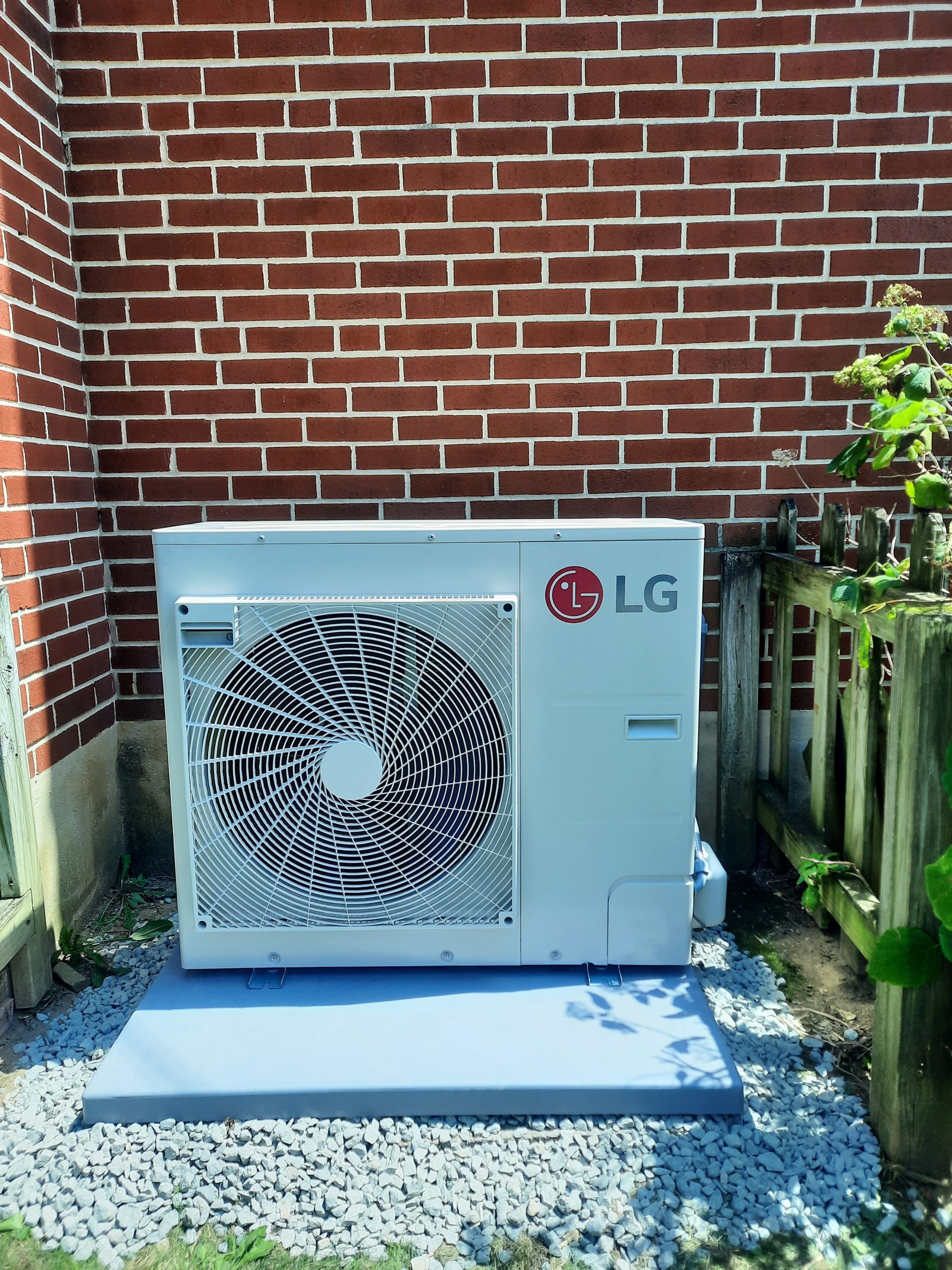
Why Cold Climate Models Perform Differently
Standard heat pumps begin losing efficiency around forty degrees outdoor temperature and often can't provide adequate heat below twenty degrees. Cold climate models use variable-speed compressors and enhanced vapor injection to maintain capacity at temperatures as low as negative fifteen degrees, meaning the system continues heating your home effectively during the coldest stretches of winter without defaulting to expensive electric resistance backup.
Once installed, you'll notice consistent indoor temperatures even during cold snaps, lower heating costs compared to resistance electric or oil heat, and the ability to switch to cooling mode in summer without separate equipment. The system adjusts output to match heating or cooling demand rather than cycling on and off, which also reduces temperature swings.
Installation involves mounting an outdoor unit, connecting refrigerant lines to an indoor air handler, and integrating controls with your thermostat. Proper sizing is critical—undersized units won't meet heating demand during peak cold, while oversized units cycle inefficiently and don't dehumidify well in cooling mode.
What Homeowners Want to Know
Questions about cold climate heat pumps often focus on performance expectations and how these systems compare to traditional heating equipment.
How cold can outdoor temperatures get before the system stops heating effectively?
Most cold climate models maintain full heating capacity down to five degrees Fahrenheit and continue operating with reduced but still significant output down to negative fifteen degrees or lower depending on the model.
What makes cold climate heat pumps different from standard models?
They use enhanced vapor injection, larger heat exchangers, variable-speed compressors, and refrigerants optimized for low-temperature operation, all of which allow the system to extract usable heat from colder outdoor air.
Why would a homeowner in Elliottsburg choose a heat pump over a furnace?
Heat pumps provide both heating and cooling, operate more efficiently than resistance electric heat, and in cold climate versions, can match or exceed the performance of gas or oil furnaces during most of the heating season while eliminating combustion equipment.
What factors affect whether a home is suited for this technology?
Heating load, insulation levels, existing ductwork capacity, and electrical service all influence whether a cold climate heat pump will meet your needs without requiring expensive infrastructure upgrades.
When should the system be serviced to maintain performance?
Annual maintenance before the heating season ensures refrigerant charge is correct, outdoor coil surfaces are clean for maximum heat transfer, and defrost cycles operate properly during freezing conditions.
NordicAir assesses your home's heating requirements, existing infrastructure, and site conditions to determine whether cold climate heat pump technology fits your situation. Contact our team to discuss system options and performance expectations for your property.