New Heating Systems Installed for Reliable Operation
Heating Installation in Elliottsburg for new construction, additions requiring separate zones, or properties without existing heating equipment
Homes requiring new heating equipment include recently constructed properties, additions that expand living space beyond the capacity of existing systems, and older buildings undergoing renovation where no functional heating system currently exists. NordicAir installs residential heating systems throughout Elliottsburg using equipment selected to match the home's square footage, insulation characteristics, and layout. Proper installation involves load calculations that determine heating capacity requirements based on window area, exterior wall construction, and ceiling height rather than simple square footage estimates.
Installation work includes positioning the furnace or heat pump, connecting supply and return ductwork, running electrical and fuel lines according to code requirements, and installing thermostat controls that communicate properly with the new equipment. Equipment selection accounts for whether the property uses natural gas, propane, heating oil, or electricity as its primary fuel source.
Request an installation estimate that includes equipment specifications and projected heating capacity for your specific property.
How New Heating Equipment Gets Integrated Into Your Home
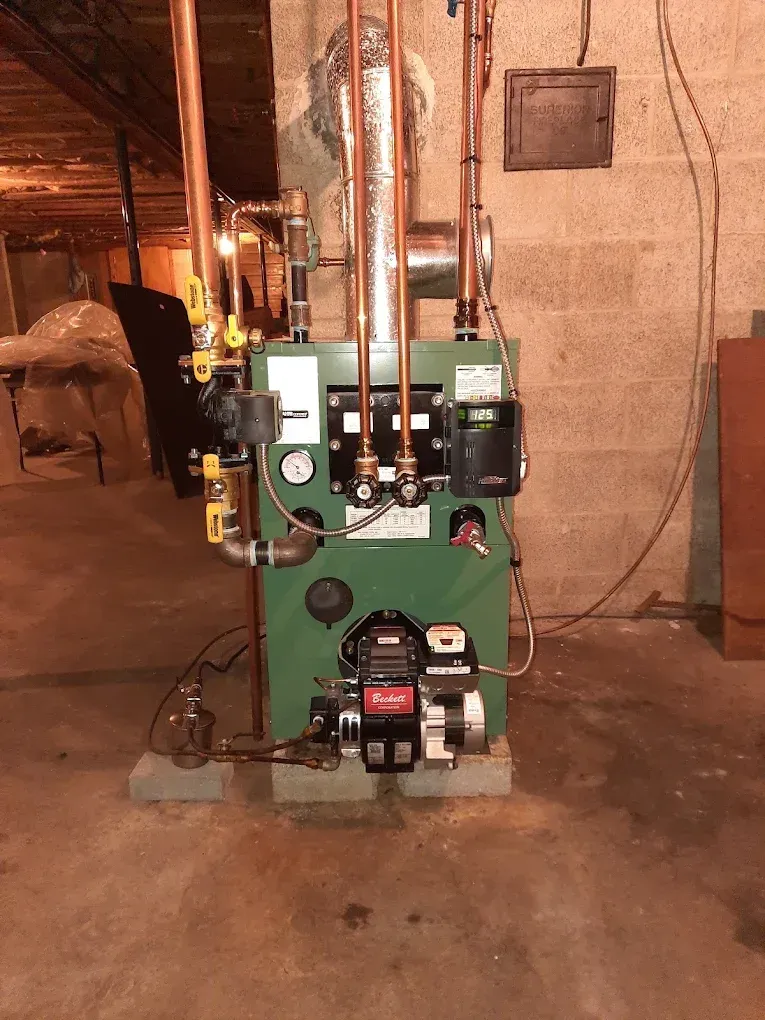
Installation begins with confirming that electrical service, fuel supply lines, and ventilation pathways meet manufacturer requirements and local building codes. Technicians mount the furnace or air handler on a stable base, connect refrigerant lines for heat pump installations, install flue piping for combustion equipment, and run condensate drain lines to prevent water accumulation from normal operation.
Once the system runs through its startup sequence, you'll notice even heat distribution reaching all rooms within the designed heating zone, thermostat response that brings indoor temperature to the set point without excessive cycling, and equipment that operates quietly without vibration or rattling from loose components. The installation includes calibrating airflow settings so heated air moves efficiently through ductwork rather than creating pressure imbalances that cause some rooms to overheat while others remain cold.
Warranty coverage begins at equipment startup and requires proper installation documentation, which technicians provide along with operating instructions specific to the installed model. Installation doesn't include ductwork fabrication for properties without existing air distribution systems—that requires separate design and installation as part of a complete HVAC build-out.
Common Questions About Heating Installation
Property owners in Elliottsburg typically ask about equipment sizing, installation timeline, fuel source compatibility, and what preparation the home requires before installation day.
How do you determine what size heating system my home needs?
Load calculation uses your home's insulated wall area, window types and orientations, ceiling insulation rating, and air infiltration characteristics to calculate heat loss, then matches equipment capacity to those requirements rather than using generalized square footage estimates.
What needs to be in place before heating equipment can be installed?
The installation location must have adequate electrical service rated for the equipment's power draw, proper clearances around combustion appliances, ventilation pathways that exhaust combustion gases safely outdoors, and fuel supply lines sized appropriately for equipment demand.
Can new heating equipment connect to existing ductwork in my home?
If ductwork already exists and was properly sized for adequate airflow, new equipment can integrate with that distribution system, though technicians verify that duct dimensions and register placements provide balanced air delivery before finalizing connections.
How does South Central Pennsylvania's winter climate affect equipment selection?
Sustained below-freezing temperatures from December through February require heating systems capable of maintaining indoor comfort during extended cold periods, which influences both equipment capacity and backup heat considerations for heat pump installations.
What happens during the installation appointment itself?
Technicians position and secure the heating unit, make all electrical and fuel connections, install or connect ductwork components, mount the thermostat, test system startup, and verify that all safety controls function properly before completing the installation.
NordicAir manages heating installations with attention to code compliance, proper equipment commissioning, and documentation that supports warranty coverage. Call (717) 348-2203 to discuss your installation project and receive equipment recommendations based on your home's heating requirements.